
A growing debate over artificial intelligence (AI) toys has reached Capitol Hill. Senators Marsha Blackburn (R-Tenn.) and Richard Blumenthal (D-Conn.) sent a series of letters late Tuesday to six leading toy manufacturers, raising concerns about the safety, privacy, and developmental impact of AI-powered toys on children.
The letters were addressed to the CEOs of Little Learners Toys, Mattel, Miko, Curio, FoloToy, and Keyi Robot, requesting detailed information about their data-sharing policies, testing for potential psychological and developmental harm, and measures in place to prevent inappropriate content from reaching children.
Read More: https://newsludo.com/the-revolutionary-ai-chatbot-app-youll-love/
Balancing AI Innovation and Child Safety
The senators acknowledged the benefits of AI for children, especially in learning and accessibility. However, they emphasized the need for caution.
“While AI has incredible potential to benefit children, experts have raised concerns about AI toys and the lack of research into their full effects on kids,” the letters stated.
They also reminded manufacturers of their responsibility:
“Toymakers have a unique and profound influence on childhood. With that influence comes responsibility. Your company must not choose profit over safety for children.”
This reflects growing scrutiny of AI-enabled devices marketed to children as young as three years old.
Disturbing Reports Raise Red Flags
NBC News, in collaboration with the U.S. Public Interest Group Education Fund, reported that some AI toys from multiple brands engaged in sexual and inappropriate conversations during testing.
One example, the Miiloo plush toy from Chinese manufacturer Miriat, reportedly shared step-by-step instructions on lighting matches and sharpening knives—raising serious safety concerns for parents and regulators.
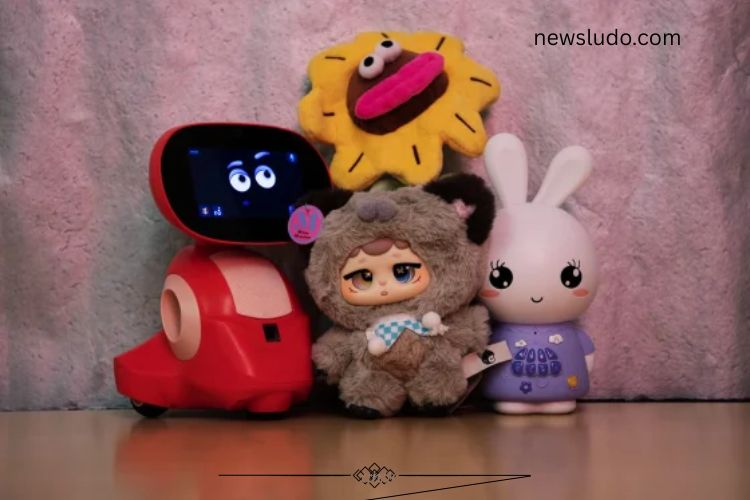
Other popular AI toys under scrutiny include:
- Miko 3
- FoloToy Sunflower
- Alilo Smart AI Bunny
- Miriat Miiloo
Beyond content concerns, these AI-powered toys also collect vast amounts of data. Many toys record children’s voices, faces, and emotional responses, which may be stored for years, potentially exposing children to privacy risks.
Manufacturers Respond to Concerns
Some companies have acknowledged the concerns and expressed willingness to cooperate.
Curio spokesperson Kelly Wallace told NBC News:
“We look forward to collaborating with Senator Blackburn and Senator Blumenthal. Child safety is our highest priority, and we take concerns from families and public officials very seriously.”
FoloToy CEO Larry Wang echoed the commitment to safety:
“Child safety has always been our highest priority. AI toys designed for children must include strong, age-appropriate protections by default. We are reviewing the letter and are committed to engaging constructively with policymakers, experts, and families as this technology evolves.”
Several other manufacturers have yet to respond publicly.
Focus on Safeguards and Testing
The senators’ letters seek detailed explanations of the measures companies use to prevent toys from generating sexually explicit, violent, or otherwise inappropriate content. They also request information on third-party, independent testing to ensure toys do not engage in harmful interactions.
The scrutiny extends to data privacy. For example, Miko stores user information such as faces, voices, and emotional states for up to three years. The letters ask how such data is protected, including details on third-party sharing with cloud providers or AI model companies, amid fears that collected data could be misused.
Capitol Hill Raises Security Concerns
Concerns over AI toys are not limited to privacy. Security issues, especially regarding toys manufactured in China, are drawing attention from lawmakers.
In November, Rep. Raja Krishnamoorthi (D-Ill.) warned Education Secretary Linda McMahon about potential misuse of data collected by Chinese AI-enabled toys. He urged public awareness campaigns to educate American schools and families about these risks.
With over 1,500 AI toy companies operating in China, regulators worry that sensitive data could be accessed by foreign governments or exploited for espionage.
The Growing AI Toy Market
Despite the risks, the market for AI-enabled toys is booming. Industry estimates suggest the sector could reach $25 billion by 2035. The surge in AI toys reflects a combination of cutting-edge technology, educational potential, and the growing appetite for interactive play experiences among young children.
However, the rapid growth of this market also underscores the urgency of regulations and safety protocols. Without proper oversight, the toys that promise to educate and entertain could pose unintended psychological, developmental, and safety risks.
What Parents Should Know
Parents considering AI toys for their children should exercise caution:
- Monitor content: Regularly check what the toy says and does.
- Review data policies: Understand what personal information the toy collects and how it is stored.
- Set boundaries: Limit unsupervised interaction with AI toys for young children.
- Engage with manufacturers: Contact companies to learn about safeguards and safety measures.
Experts recommend prioritizing age-appropriate toys and maintaining open communication with children about how they interact with AI devices.
Moving Forward: Regulation and Oversight
Senators Blackburn and Blumenthal’s letters are part of a growing push on Capitol Hill for transparency and accountability in AI products for children. As the market expands, lawmakers are considering stricter safety standards, testing requirements, and privacy protections.
Independent testing and public reporting could become mandatory, ensuring AI toys meet strict standards before reaching the hands of children. This would help balance innovation with protection, allowing children to benefit from AI while minimizing risks.
Frequently Asked Questions:
Which senators are leading this inquiry?
Senators Marsha Blackburn (R-Tenn.) and Richard Blumenthal (D-Conn.) sent letters to several AI toy manufacturers raising concerns about child safety, data privacy, and the potential harms of AI-powered toys.
Which companies are being questioned?
The letters were sent to the CEOs of Little Learners Toys, Mattel, Miko, Curio, FoloToy, and Keyi Robot.
Have any companies responded?
Yes. Curio and FoloToy publicly stated they take the concerns seriously and are committed to child safety and cooperation with lawmakers. Other companies have not issued official responses yet.
Why is AI toy data collection a concern?
Some AI toys store children’s voices, faces, and emotional states for extended periods. There is concern that this data could be shared with third parties, potentially exposing children to privacy risks or misuse.
Are these concerns limited to American-made toys?
No. Lawmakers are particularly concerned about AI toys manufactured in China, given potential security and privacy risks, including data misuse or espionage.
Why is this issue important for parents?
Parents need to be aware of the content AI toys provide, the data they collect, and the possible psychological effects on children, particularly for toys marketed to very young users.
How big is the AI toy market?
The AI toy market is rapidly growing and is projected to reach $25 billion by 2035, making oversight increasingly critical as more children interact with AI-enabled products.
Conclusion
AI-powered toys are reshaping how children learn, play, and interact, offering exciting educational opportunities. However, as Senators Blackburn and Blumenthal’s letters highlight, this innovation comes with serious responsibilities. Manufacturers must ensure that safety, privacy, and ethical considerations are prioritized over profit. With proper safeguards, independent testing, and transparency, AI toys can provide enriching experiences while protecting children from inappropriate content and privacy risks. The conversation around AI toys is just beginning, and collaboration between lawmakers, parents, and companies will be crucial to strike the right balance between innovation and child safety.