
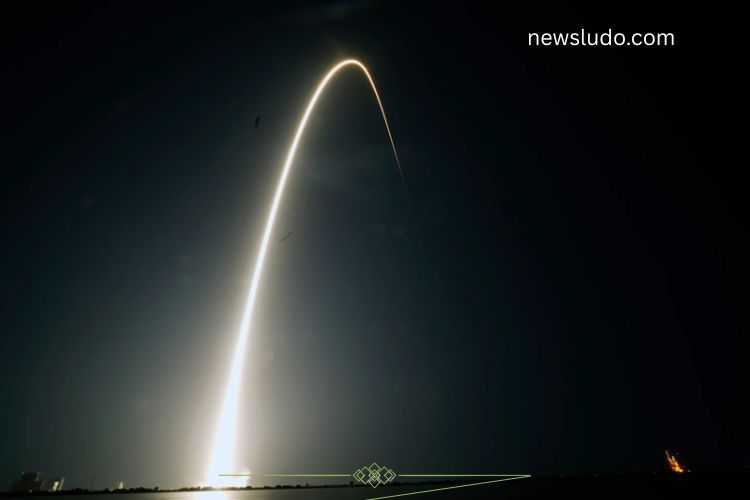
Two NATO intelligence agencies are reportedly monitoring Russia as it develops a potential anti-satellite weapon targeting Elon Musk’s Starlink network. The weapon, designed to unleash destructive clouds of orbiting pellets, could threaten Starlink’s low-orbit satellites, which have become critical to Ukraine’s defense against Russian forces.
The aim, according to intelligence sources, is to curb Western space advantages that have helped Kyiv maintain battlefield communication and coordination. While such a weapon could disable multiple satellites at once, experts warn it carries high risks of uncontrollable space debris that could affect numerous satellites worldwide—including Russian and Chinese systems.
Read More: https://newsludo.com/understanding-choosing-and-loving-your-visual/
The “Zone-Effect” Weapon
The intelligence describes a so-called “zone-effect” system, which would release hundreds of thousands of high-density pellets into Starlink’s orbital paths. These tiny projectiles could collide with satellites, potentially rendering them inoperative.
Analysts caution that the weapon’s indiscriminate nature could cause massive collateral damage to orbiting satellites from multiple nations, including Russia itself. Victoria Samson, a space-security expert at the Secure World Foundation, expressed skepticism:
“I would be very surprised if they were to do something like that,” Samson said, noting the chaos such a system could unleash.
A Plausible Threat or Science Fiction?
Despite doubts, Brig. Gen. Christopher Horner, commander of Canada’s Space Division, emphasized that Russia’s work cannot be entirely dismissed. Past reports suggested Russia explored a nuclear-capable space weapon, which makes the development of a less extreme but still destructive anti-satellite system plausible.
“It wouldn’t strike me as shocking that something just short of a nuclear system, but equally damaging, is within their development scope,” Horner said.
Kremlin spokesman Dmitry Peskov has not commented on these reports, though Russia has previously supported UN efforts to limit weapons in space and stated it does not intend to deploy nuclear space arms.
Starlink’s Strategic Role
Starlink’s thousands of low-orbit satellites have been pivotal in Ukraine’s defense. The network provides high-speed internet crucial for battlefield communication, weapons targeting, and civilian connectivity in areas affected by Russian strikes.
Russian officials have repeatedly warned that satellites supporting Ukraine could be considered legitimate targets. In recent months, Moscow introduced the S-500 missile system, capable of reaching low-orbit satellites. Unlike earlier tests, which targeted defunct satellites, the proposed pellet-based weapon could strike multiple operational satellites simultaneously.
Risks of Orbital Debris
Experts argue that clouds of pellets would be extremely difficult to control. Horner explained:
“You blow up a box full of BBs… it would blanket an entire orbital regime, taking out every Starlink and other satellites in similar orbits. That’s the troubling part.”
Such an attack could generate long-lasting space debris, affecting satellites and potentially manned stations like the International Space Station and China’s Tiangong station. The pellets, just millimeters in size, might evade current detection systems, complicating attribution if an attack occurs.
Clayton Swope, a space-security analyst, noted that even tiny projectiles can cause significant damage:
“Most damage would probably occur to solar panels—the most fragile parts—but that could be enough to bring satellites offline.”
Is Russia Likely to Deploy This Weapon?
The intelligence findings do not indicate when, or if, Russia could deploy the weapon. Officials suggest it could still be in early experimental stages. Samson proposed that some research may be more exploratory than operational:
“Scientists might experiment with these ideas as thought experiments, hoping to secure government funding.”
Such studies could also be intended to provoke an international response or justify increased spending on counterspace capabilities, creating a psychological or political deterrent without actual use.
Global Implications of Anti-Satellite Weapons
The potential weapon underscores the growing risks of militarization in space. Indiscriminate attacks could endanger commercial, scientific, and defense satellites worldwide. Analysts argue that the strategic benefit for Russia might be outweighed by the loss of access to space itself, which the country has heavily invested in.
“Using such a weapon would effectively cut off space for them as well,” Samson said.
Experts describe it as a “weapon of fear,” capable of threatening adversaries and influencing global policy without being deployed. The mere knowledge that such capabilities exist could deter or influence strategic decisions in space and on Earth.
Challenges in Detection and Accountability
The proposed pellets’ small size poses a detection challenge. Satellites struck by millimeter-sized debris could malfunction before any ground or space-based monitoring system identifies the attack. However, Swope suggests patterns of satellite failures could eventually reveal the source:
“If satellites start winking out, people would figure it out.”
Debris from such an attack would gradually fall toward Earth, creating further risks to other satellites in orbit and potentially endangering space missions.
Frequently Asked Questions:
What is Starlink, and why is it important?
Starlink is Elon Musk’s satellite internet network operated by SpaceX. It provides high-speed internet via thousands of low-orbit satellites and has been critical for Ukraine’s military communications, weapons targeting, and civilian connectivity in areas affected by Russian strikes.
Why is Russia allegedly targeting Starlink?
Intelligence reports suggest Russia views Starlink as a strategic threat because it supports Ukraine’s battlefield capabilities and strengthens Western influence in space. A proposed weapon could disrupt or disable multiple Starlink satellites simultaneously.
What is the “zone-effect” weapon?
The so-called “zone-effect” weapon would release clouds of small, high-density pellets into orbit. These pellets could collide with satellites, potentially disabling several at once, though such attacks could also create uncontrollable space debris affecting satellites from multiple nations.
Could this weapon backfire on Russia?
Yes. Experts warn that such a weapon could damage Russia’s own satellites and other critical space systems, creating long-lasting chaos in orbit. The risks may outweigh potential military advantages.
How small are the pellets, and can they be detected?
The pellets are reportedly only millimeters across, making them extremely difficult to detect with current ground- or space-based monitoring systems. This could complicate attribution if an attack occurs.
Is there evidence that Russia has tested this weapon?
The intelligence does not confirm deployment or testing. Experts believe the weapon could still be experimental or a theoretical project, possibly intended to influence policy or international response.
What could happen if the weapon is used?
Debris from destroyed satellites could damage other orbiting systems, including commercial satellites, the International Space Station, and China’s Tiangong station. Even small fragments can disable satellite solar panels or essential components.
Conclusion
The potential threat to Starlink highlights the growing vulnerability of global space infrastructure in an era of geopolitical tension. While Russia’s development of a pellet-based anti-satellite weapon could theoretically disrupt Starlink and challenge Western advantages, the risks of uncontrollable debris and collateral damage make its deployment highly uncertain. Starlink’s role in Ukraine underscores how commercial satellite networks have become integral to modern warfare, while the prospect of orbital attacks emphasizes the urgent need for international norms to protect space assets.