
Heightened tensions returned to the Korean Peninsula after North Korea launched multiple ballistic missiles toward its eastern waters early Sunday. The timing of the launches raised serious concern, coming just hours before South Korean President Lee Jae Myung departed for a high-profile diplomatic visit to China. The incident immediately drew responses from regional powers and intensified global focus on North Korea’s military ambitions and diplomatic intentions.
South Korean military officials confirmed that several missiles were fired from the Pyongyang area in the early morning hours. The projectiles traveled a significant distance before landing in the sea, triggering emergency security discussions in Seoul and renewed scrutiny of North Korea’s strategic calculations.
Read More: https://newsludo.com/german-manufacturing-slumps-further-as-2025/
South Korea and the United States Respond Swiftly
South Korea’s Joint Chiefs of Staff reported detecting the missile activity around 7:50 a.m., noting that the launches demonstrated continued advancements in North Korea’s missile capabilities. Military authorities from both South Korea and the United States quickly began analyzing the technical aspects of the tests to assess their implications.
U.S. Indo-Pacific Command stated that the launches posed no immediate threat to U.S. personnel, territory, or regional allies. Despite this assurance, officials emphasized close coordination with partners across the region. The response highlighted Washington’s ongoing commitment to regional security and alliance-based defense strategies.
Violation of International Resolutions
South Korea’s Defense Ministry strongly condemned the missile tests, describing them as a direct violation of United Nations Security Council resolutions that prohibit North Korea from conducting ballistic missile activities. Officials urged Pyongyang to halt further provocations and return to diplomatic dialogue aimed at restoring peace and stability on the peninsula.
The launches reinforced long-standing concerns that North Korea continues to disregard international norms while advancing its weapons programs. Calls for restraint echoed across diplomatic circles, with Seoul emphasizing dialogue as the only viable path forward.
Japan Voices Serious Concerns
Japan also reacted firmly to the developments. Defense Minister Shinjiro Koizumi confirmed that at least two missile launches had been identified and described the action as a grave threat to national, regional, and global security. Tokyo’s response underscored the shared anxiety among neighboring nations and the broader international community regarding North Korea’s military posture.
The missile tests once again demonstrated how actions on the Korean Peninsula can ripple across Northeast Asia, affecting security calculations in Japan, South Korea, and beyond.
Strategic Signaling Ahead of Party Congress
Analysts believe the launches form part of a broader strategy by North Korea to showcase its military capabilities ahead of an upcoming Workers’ Party congress. The event, expected to be the first of its kind in five years, could signal important policy shifts, particularly toward the United States and regional actors.
Recent weapons demonstrations suggest Pyongyang may be reviewing and highlighting achievements in its defense sector. Observers are closely watching whether the party congress will outline a new diplomatic approach or reinforce the country’s current confrontational stance.
Nuclear Ambitions and Diplomatic Stalemate
North Korea has intensified weapons testing since high-level talks between leader Kim Jong Un and former U.S. President Donald Trump collapsed in 2019. Since then, Pyongyang has prioritized expanding its nuclear arsenal while stepping up missile development.
At the same time, Kim Jong Un has sought to strengthen North Korea’s diplomatic position by deepening ties with Russia and reinforcing relations with China. These efforts appear aimed at increasing leverage in any future negotiations with Washington or regional powers.
Experts suggest North Korea’s leadership may feel emboldened by shifting global dynamics, believing its strategic value has increased amid geopolitical rivalries.
Uncertainty Surrounding the Party Congress
While North Korea has not officially announced the date of the Workers’ Party congress, South Korean intelligence agencies estimate it could take place in January or February. The gathering is expected to provide insight into Pyongyang’s future priorities, including its approach to nuclear development and international engagement.
Speculation remains high over whether North Korea will pursue renewed talks or double down on military deterrence as a core policy pillar.
Diplomatic Stakes of South Korea–China Summit
The missile launches coincided with President Lee Jae Myung’s departure for a four-day visit to China, where he is scheduled to meet President Xi Jinping. The summit carries significant diplomatic weight, with North Korea’s nuclear program expected to dominate discussions.
South Korea plans to urge China to take a more constructive role in promoting peace on the Korean Peninsula. As North Korea’s largest trading partner and closest ally, China holds potential influence, though the extent of that leverage remains debated.
China’s Complex Role
For years, South Korea and the United States have called on China to pressure North Korea into returning to negotiations or curbing its nuclear ambitions. However, Beijing’s willingness to exert strong pressure has remained limited, especially as China and Russia have resisted efforts to impose tougher sanctions in recent years.
China’s balancing act between maintaining regional stability and protecting strategic interests continues to shape diplomatic outcomes related to North Korea.
Emergency Security Measures in Seoul
In response to the launches, South Korea convened an emergency National Security Council meeting later Sunday. Officials reviewed the situation, shared intelligence assessments, and discussed potential response measures. Details were subsequently reported to President Lee as part of ongoing crisis management efforts.
The swift convening of the council underscored the seriousness with which Seoul views North Korea’s missile activity, particularly during a sensitive diplomatic moment.
Global Context Raises Alarm
The launches followed a dramatic U.S. military operation that removed Venezuelan leader Nicolás Maduro from power, an event that sent shockwaves through global politics. North Korea’s Foreign Ministry sharply criticized the U.S. action, calling it an extreme violation of sovereignty and evidence of American aggression.
Pyongyang’s response suggested heightened sensitivity to international events that reinforce its long-standing narrative of external threats and justification for maintaining a nuclear deterrent.
Kim Jong Un’s Focus on Weapons Production
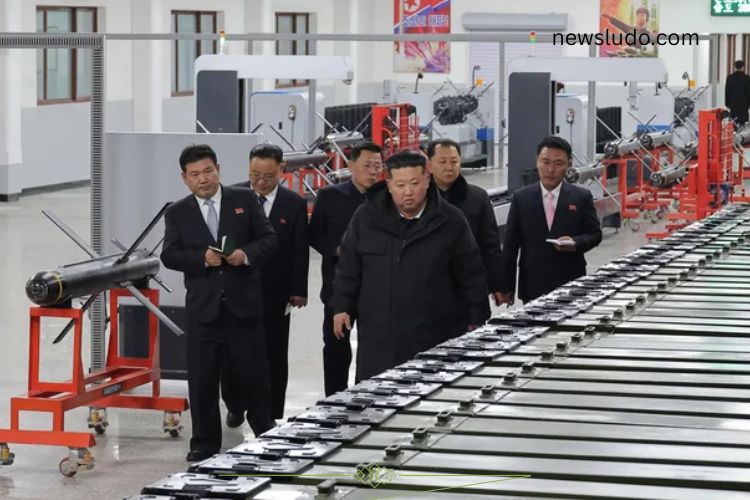
On the same weekend as the missile launches, North Korean state media reported that Kim Jong Un visited a major weapons factory to inspect production of precision-guided munitions. During the visit, Kim reportedly ordered officials to dramatically increase output, signaling continued emphasis on military expansion.
The factory inspection reinforced the message that North Korea remains committed to strengthening its defense industry despite diplomatic pressures.
Heightened Anxiety and Strategic Calculations
Security experts warn that recent developments may increase paranoia among authoritarian regimes, as rapid international actions demonstrate how quickly global power dynamics can shift. For North Korea, this environment likely reinforces the perceived need for a strong nuclear deterrent as a safeguard against external intervention.
At the same time, such actions deepen mistrust and complicate diplomatic efforts aimed at reducing tensions.
Outlook for Regional Stability
North Korea’s latest missile launches have once again placed the Korean Peninsula at the center of international attention. The combination of military provocations, upcoming political events in Pyongyang, and high-stakes diplomacy between South Korea and China creates an uncertain and volatile environment.
Whether these actions ultimately lead to renewed negotiations or further escalation remains unclear. What is certain is that regional and global powers will continue to watch North Korea closely as it navigates a complex web of security concerns, diplomatic maneuvering, and strategic ambition.
Frequently Asked Questions:
What happened during North Korea’s latest missile launch?
North Korea launched multiple ballistic missiles toward its eastern waters in the early morning hours, triggering immediate security responses from South Korea and its allies.
Why is the timing of the missile launch significant?
The launches occurred just hours before the South Korean president departed for China, increasing diplomatic pressure and raising concerns about North Korea’s intentions ahead of key regional talks.
Did the missile launches pose an immediate threat?
Officials stated that the missiles did not pose an immediate threat to U.S. or allied territories, though the launches were closely monitored due to their potential security implications.
How did South Korea respond to the launches?
South Korea condemned the launches as provocative and held an emergency national security meeting to assess the situation and discuss appropriate countermeasures.
What was the reaction from the United States?
The United States confirmed awareness of the launches and emphasized its commitment to defending regional allies while continuing close coordination with South Korea and other partners.
How did Japan react to the missile tests?
Japan described the missile launches as a serious threat to regional and global security and reinforced its commitment to monitoring North Korea’s military activities.
Do the missile launches violate international law?
Yes, ballistic missile tests by North Korea violate United Nations Security Council resolutions that ban such activities.
Conclusion
North Korea’s recent ballistic missile launches have once again intensified tensions on the Korean Peninsula, highlighting the fragile balance between military posturing and diplomatic engagement. With South Korea’s president heading to China for critical talks, the timing underscores Pyongyang’s strategic signaling and the complex regional dynamics at play. While the immediate threat may be limited, the launches emphasize the urgent need for coordinated international efforts to promote dialogue, enforce stability, and prevent further escalation. The coming weeks will be pivotal in shaping North Korea’s next moves and the broader future of peace in Northeast Asia.