
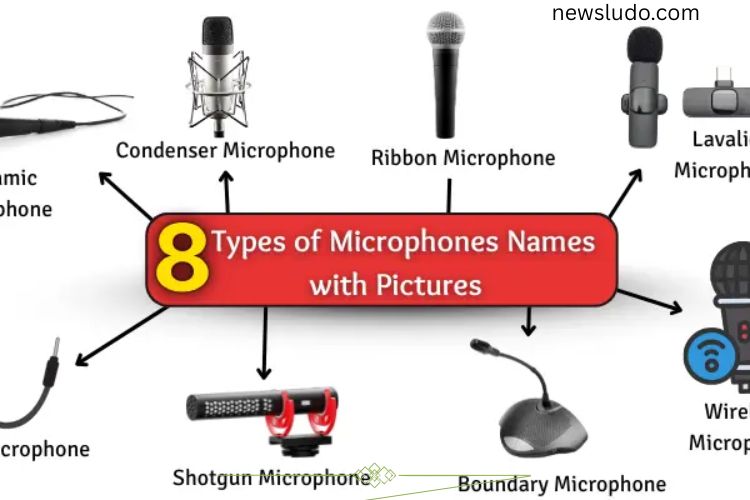
Microphones are essential tools for capturing sound, whether for music, broadcasting, podcasts, or presentations. Each type of microphone serves a specific purpose and performs best in certain environments. Understanding the strengths, weaknesses, and applications of different microphones can help you choose the right one for your needs. Here’s a detailed guide to the most common microphone types.
Read More: https://newsludo.com/the-striking-differences-and-game-changing-power/
Dynamic Microphone
Dynamic microphones are among the most widely used microphones. They rely on a coil and magnet system to convert sound waves into electrical signals. Their rugged design makes them durable and capable of handling loud noises without distortion.
Uses of Dynamic Microphones
Dynamic microphones are versatile and ideal for:
- Live concerts and stage performances
- Classroom lectures and public speaking
- Recording drums and guitars
- Television hosting
Advantages
- Extremely durable
- Handles high sound pressure levels
- No external power needed
- Affordable and easy to use
Disadvantages
- Less sensitive to soft sounds
- Lower audio fidelity compared to condenser microphones
- Can pick up background noise
- Heavier than other microphone types
Condenser Microphone
Condenser microphones are highly sensitive and perfect for capturing clear, detailed audio. They use a thin diaphragm and electrical current to convert sound waves into signals, making them ideal for soft sounds and intricate audio details.
Uses of Condenser Microphones
Condenser microphones excel in controlled environments such as:
- Music recording studios
- Podcasts and online classes
- YouTube videos
- Gaming streams
Advantages
- Captures soft and subtle sounds
- Produces clear and natural audio
- Lightweight and portable
- Excellent for vocals
Disadvantages
- Requires power (phantom or battery)
- Picks up background noise
- Fragile and more expensive
- Not ideal for loud environments
Ribbon Microphone
Ribbon microphones are unique, featuring a thin metal ribbon that vibrates with sound waves. They produce a smooth, warm, and natural tone, making them favored in studios for classic or vintage audio quality.
Uses of Ribbon Microphones
Ribbon microphones are perfect for:
- Studio recordings of vocals and instruments
- Radio and voice-over work
- Capturing warm, natural tones in music
- Recording old-style or cinematic audio
Advantages
- Smooth and warm sound
- Natural tonal quality
- Great for soft voices and acoustic instruments
Disadvantages
- Extremely delicate, requiring careful handling
- Not suitable for loud sounds
- Can be expensive and need extra equipment
Lavalier Microphone
Lavalier microphones, also called clip mics, are small and discreet. They attach to clothing, allowing hands-free operation while maintaining clear audio capture.
Uses of Lavalier Microphones
Common scenarios include:
- TV reporting and interviews
- Classroom presentations
- Stage performances
- YouTube content creation
Advantages
- Compact and lightweight
- Hands-free convenience
- Clear vocal capture
Disadvantages
- Limited frequency range
- Can pick up clothing noise
- Requires battery or external power
- Fragile
Shotgun Microphone
Shotgun microphones are long and narrow, designed to capture sound from a single direction while minimizing noise from the sides. They are ideal for outdoor recording or filming where the subject is at a distance.
Uses of Shotgun Microphones
They are widely used for:
- Filmmaking and video production
- Outdoor YouTube recordings
- News interviews
- Wildlife and nature recordings
Advantages
- Captures distant sound clearly
- Minimizes background noise
- Excellent for video production in noisy environments
Disadvantages
- Requires precise aiming
- Less effective indoors
- Large and potentially costly
USB Microphone
USB microphones are plug-and-play devices that connect directly to computers, making them ideal for beginners or anyone needing a simple setup. They deliver reliable audio without extra equipment.
Uses of USB Microphones
They are perfect for:
- Online classes and remote teaching
- Gaming voice chats
- YouTube content recording
- Podcasting
Advantages
- Easy to set up
- Works with most computers
- Beginner-friendly
- Good sound quality for casual use
Disadvantages
- Not suitable for professional studios
- Limited audio control
- Can suffer from signal delay
- Fragile if mishandled
Wireless Microphone
Wireless microphones eliminate cables, transmitting sound via radio signals. They provide freedom of movement, making them ideal for stage performances, events, and large venues.
Uses of Wireless Microphones
Wireless microphones excel in:
- Stage singing and performances
- Classroom teaching with mobility
- Public speaking at events or conferences
- Tours and guided presentations
Advantages
- No cables to manage
- Portable and flexible
- Neat and professional appearance
Disadvantages
- Potential signal loss
- Requires batteries
- Higher cost
- Signal interference can occur
Boundary Microphone
Boundary microphones sit on flat surfaces and capture sound from a wide area. They are ideal for meetings, conferences, and stage performances where multiple voices need to be recorded clearly.
Uses of Boundary Microphones
They are commonly used for:
- Conference rooms and video calls
- Classroom lectures
- Theater and stage performances
- Group discussions
Advantages
- Captures sound from multiple directions
- Easy to set up
- Ideal for large rooms
- Compact and unobtrusive
Disadvantages
- Picks up background noise
- Less effective for a single voice
- Needs a flat surface
- Difficult to reposition once placed
Frequently Asked Questions:
What are the main types of microphones?
The most common types include dynamic, condenser, ribbon, lavalier, shotgun, USB, wireless, and boundary microphones. Each has unique features suited for specific uses.
Which microphone is best for live performances?
Dynamic and wireless microphones are ideal for live performances because they are durable, handle loud sounds well, and allow mobility.
What microphone is best for recording vocals in a studio?
Condenser and ribbon microphones are perfect for studio vocals, as they capture soft sounds, fine details, and natural tones.
Can I use a USB microphone for professional recordings?
USB microphones are great for beginners, podcasting, online teaching, or streaming. However, they are less suitable for professional studio recordings due to limited audio control.
What is a shotgun microphone used for?
Shotgun microphones capture sound from a specific direction while blocking side noise, making them perfect for filmmaking, outdoor recording, and interviews.
How does a lavalier microphone work?
Lavalier microphones clip onto clothing, picking up the speaker’s voice clearly while allowing hands-free movement, ideal for presentations, stage performances, or video content.
Are ribbon microphones fragile?
Yes, ribbon microphones are delicate and require careful handling. They are best used in controlled studio environments and not for loud or outdoor sounds.
Conclusion
Choosing the right microphone can transform the quality of your recordings, performances, or broadcasts. Each type has unique strengths: dynamic microphones excel on stage, condenser and ribbon microphones capture studio-quality sound, while lavalier, shotgun, USB, wireless, and boundary microphones offer specialized solutions for specific scenarios. Understanding how each works and where it performs best ensures you make the right choice for your project. By mastering the different microphone types, you can capture crystal-clear audio, elevate your content, and sound like a true professional in any setting.