
The United Kingdom is taking decisive action to protect its democracy by launching an independent investigation into foreign interference in British politics. The move comes just weeks after a former Reform UK lawmaker was sentenced to more than 10 years in prison for accepting bribes to promote pro-Russia statements. The case has prompted widespread concern about the vulnerability of the UK’s political system to foreign influence.
High-Profile Case Sparks Urgent Action
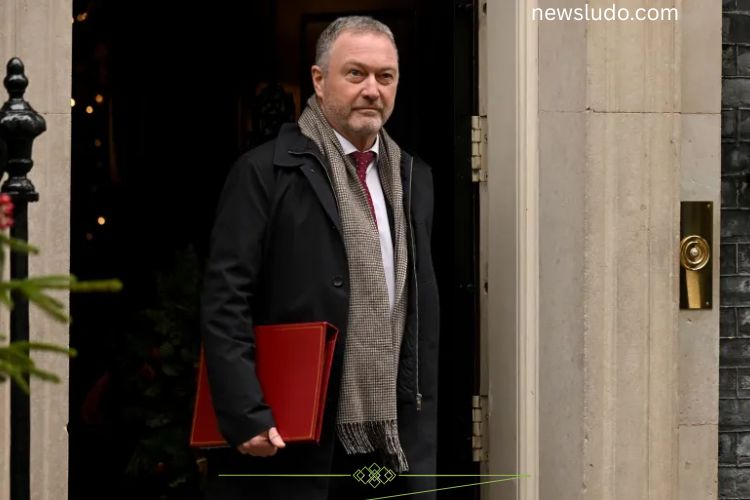
Steve Reed, the UK’s Secretary of State for Housing, Communities, and Local Government, announced on Tuesday that he had ordered the probe in response to the case of Nathan Gill. Gill, a former Member of the European Parliament and ex-leader of Reform UK in Wales, pleaded guilty to accepting bribes from a pro-Russian politician between 2018 and 2019. He admitted to making scripted statements and television appearances to further the interests of the Russian regime.
Reed emphasized the seriousness of the issue in the House of Commons:
“A British politician took bribes to further the interests of the Russian regime. This conduct is a stain on our democracy. The independent review will work to remove that stain.”
Gill was sentenced on November 21 to 10 years and six months in prison, marking one of the most significant cases of foreign interference in recent UK political history.
Widespread Political Condemnation
The revelations surrounding Gill’s case drew condemnation from across the political spectrum. Reform UK, the party he once led in Wales, described his actions as “reprehensible, treasonous, and unforgivable.” The case not only exposed vulnerabilities in the UK’s political system but also raised questions about the effectiveness of existing safeguards against foreign influence.
Conservative MP Paul Holmes welcomed the launch of the independent review, stressing the need to protect the integrity of the democratic process:
“Protecting the integrity of our democratic system from foreign interference is not a partisan issue. It goes to the heart of public trust in our elections. Interference in our elections from foreign actors is something that we must all be vigilant against.”
The Role of the Independent Review
The independent probe will be led by Philip Rycroft, the former UK Permanent Secretary for the Department for Exiting the European Union. The review will conduct an in-depth assessment of the current political finance rules and safeguards designed to prevent foreign interference. Reed confirmed that Rycroft has been asked to submit his findings to the government by the end of March.
“The purpose of the review is to provide an in-depth assessment of the current financial rules and safeguards and make recommendations,” Reed said.
The review will also evaluate the effectiveness of the UK’s systems for detecting and mitigating foreign interference, as well as safeguards against illicit funding streams. By identifying gaps and vulnerabilities, the review aims to strengthen public trust in elections and ensure the country’s democratic processes are fully protected.
Government’s Broader Strategy
Earlier this year, the UK government put forward a strategy to ensure modern and secure elections. This initiative was intended to address public distrust, improve transparency, and safeguard against foreign interference. However, recent events, including the Gill case, have highlighted the need for a more comprehensive evaluation.
Reed acknowledged the importance of this proactive approach:
“Events have shown that we need to consider whether our firewall is enough. The independent review will look at this, including evaluating the UK’s existing political finance laws, systems to identify and mitigate foreign interference, and safeguards against illicit funding streams.”
By conducting the review, the UK government aims to implement stronger safeguards, reduce the risk of foreign manipulation, and restore public confidence in the political system.
International Implications
Foreign interference in domestic politics is not unique to the UK. Across the globe, countries are grappling with the challenges posed by foreign actors seeking to influence elections and policy decisions. The UK’s decision to launch an independent review signals a commitment to lead by example in protecting democratic integrity.
Experts note that the involvement of foreign powers in domestic politics can take many forms, including financial influence, disinformation campaigns, and covert lobbying efforts. Addressing these threats requires a combination of legislative reform, intelligence oversight, and public awareness campaigns.
The Importance of Public Trust
The UK government recognizes that protecting democracy extends beyond legal measures—it also depends on public confidence in the electoral system. By addressing foreign interference transparently and decisively, the government hopes to reinforce trust in the institutions that underpin British democracy.
Reed underscored this point, highlighting the broader implications for the country’s political landscape:
“Ensuring that our elections are free from foreign influence is critical. Citizens must be confident that their votes count and that their voices cannot be manipulated by outside interests.”
Political Finance Under Scrutiny
The Gill case has brought renewed attention to the regulation of political finance in the UK. The independent review will examine existing laws and evaluate whether current oversight mechanisms are sufficient to detect and prevent illicit foreign funding.
This scrutiny may lead to proposals for stronger reporting requirements, stricter vetting of donations, and enhanced monitoring of foreign connections. By tightening financial regulations, the government aims to reduce vulnerabilities that foreign actors could exploit.
Strengthening Democracy
The independent review represents a critical step in safeguarding UK democracy. Its findings could shape new policies to protect the country from foreign influence and ensure that political decision-making remains independent, transparent, and accountable.
The government has signaled its commitment to implementing the review’s recommendations promptly, ensuring that lessons from high-profile cases like Nathan Gill’s are translated into tangible reforms.
As the investigation progresses, it is expected to provide valuable insights not only for the UK but also for other nations facing similar threats to democratic integrity. By confronting foreign interference head-on, the UK seeks to set a global standard for protecting democratic institutions.
Frequently Asked Questions:
Why has the UK launched an independent probe into foreign interference?
The UK government initiated the investigation following the conviction of Nathan Gill, a former UK politician who accepted bribes from a pro-Russian politician. The case highlighted potential vulnerabilities in the political system and the need to protect democracy from foreign influence.
Who is leading the independent review?
Philip Rycroft, former UK Permanent Secretary for the Department for Exiting the European Union, has been appointed to lead the probe. He is tasked with assessing the current safeguards and reporting recommendations to the government.
What is the scope of the review?
The review will examine the UK’s political finance laws, systems for detecting and preventing foreign interference, and safeguards against illicit funding. It will also provide recommendations to strengthen democratic integrity.
When will the findings of the review be released?
The government has requested that Philip Rycroft submit his findings by the end of March. Recommendations may then be implemented to improve transparency and security in political processes.
How does foreign interference threaten UK democracy?
Foreign interference can undermine public trust, manipulate election outcomes, and influence political decision-making. Such actions compromise the independence and fairness of democratic institutions.
What was Nathan Gill convicted of?
Nathan Gill, a former Member of the European Parliament and ex-leader of Reform UK in Wales, pleaded guilty to accepting bribes from a pro-Russian politician between 2018 and 2019. He made scripted statements and TV appearances to promote foreign interests.
What measures has the UK government taken previously to prevent interference?
Earlier this year, the UK government introduced a strategy for “modern and secure elections,” focusing on transparency, public trust, and safeguards against foreign manipulation. However, recent events have shown that additional measures are necessary.
Conclusion
The United Kingdom’s launch of an urgent, independent probe into foreign interference underscores the government’s commitment to safeguarding democracy. Prompted by the high-profile conviction of Nathan Gill, the investigation seeks to identify vulnerabilities in political finance, detect foreign influence, and recommend reforms to protect electoral integrity. By appointing Philip Rycroft to lead the review, the UK aims to strengthen public trust, enhance transparency, and ensure that democratic processes remain free from manipulation. This decisive action not only addresses immediate risks but also sets a precedent for proactive measures against foreign interference, reinforcing the resilience of the nation’s democratic institutions.