
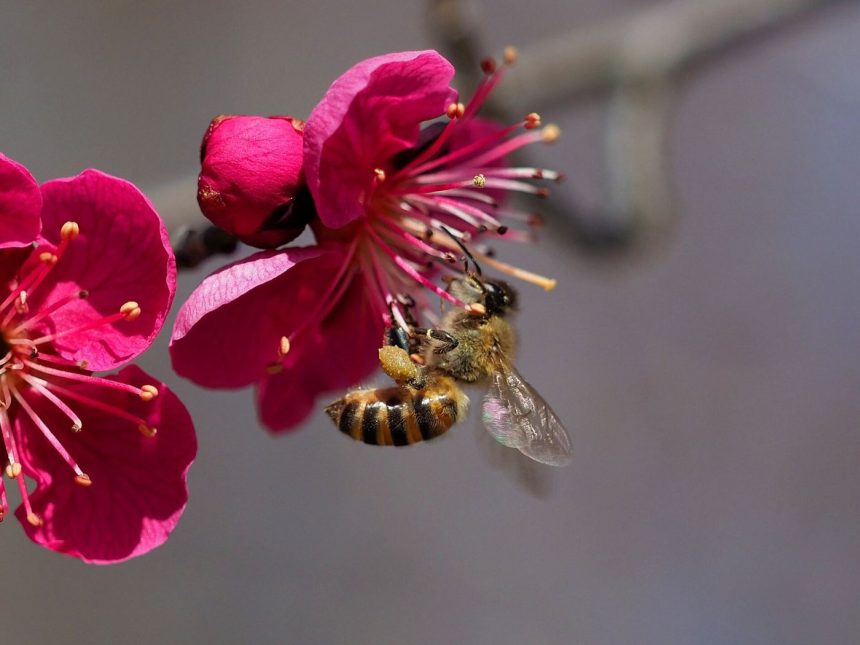
New research into honeybee foraging suggests that the mix of flowers bees visit can make a meaningful difference to the nutritional quality of the pollen they bring back to the colony. Scientists observed bees in areas with varied planting and compared pollen loads with those from places dominated by a single crop or flower type. Colonies with access to diverse sources tended to collect pollen containing a broader range of proteins and fats needed for raising young bees. The findings add to growing evidence that flower rich habitats, including field margins, gardens, and urban planting, can support pollinator health alongside well managed farmland.
What the Evidence Shows
Researchers are careful to note that nutrition is only one part of bee health, alongside disease control, responsible pesticide use, and good beekeeping practice. However, they say land managers can help by ensuring flowers are available across the season rather than in a single short burst, so colonies are not left with gaps after early blooms finish. Simple steps such as leaving some wild corners unmown and planting successive flowering species were highlighted as practical measures. The team now plans to repeat the observations in different landscapes to see whether the same patterns hold where weather, soil, and farming systems vary considerably. Reporting and analysis from sources such as National Science Foundation track the same developments, and specialists following honeybee pollen nutrition research say the direction is now consistent across independent lines of evidence.
The Wider Context
The wider context is a research landscape in which replication and open data now decide reputations. Findings connected to honeybee pollen nutrition research are being checked by independent groups with shared datasets, and the teams involved publish their methods in full so rivals can test every step. That discipline is slower than a headline cycle, but it is why results in this area increasingly survive first contact with scrutiny.
What Happens Next
What happens next in the story of honeybee pollen nutrition research will be decided by follow-up work already under way: larger samples, longer observation and instruments that have not yet come online. The researchers involved are unusually united on one point, that the current results justify the next investment of time and money. Readers will not have to wait long for the first tests of that claim. You can follow related developments in our coverage of science.
There is a practical lesson in all of this for readers deciding what to do today. Start with the verified facts, be wary of anyone promising certainty, and prefer reversible steps while the evidence is still developing. Circumstances differ by country, income and personal situation, so general guidance should always be weighed against your own context before you act on it in any significant or lasting way.