
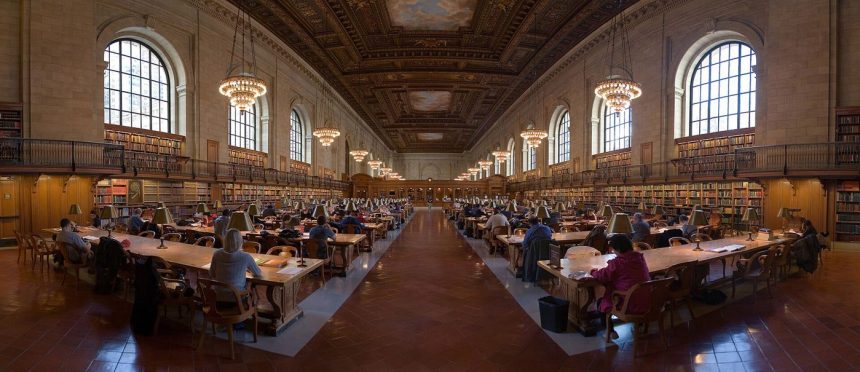
Public libraries are welcoming more visitors as reading rooms, study spaces and community programmes draw people of all ages through their doors. Librarians say demand goes far beyond borrowing books, with residents using libraries for job searches, language classes, homework support, digital help and quiet space to work. In many neighbourhoods, the library is one of the few indoor places where people can stay for hours without being expected to spend money. That openness makes branches valuable during cold weather, exam periods and times of financial pressure. Extended hours and partnerships with local schools and charities are helping some libraries reach residents who had not visited in years or used services.
What the Evidence Shows
Programmes for children remain a major focus, including story sessions, reading challenges and activities that build confidence before starting school. For adults, author talks, local history groups and computer classes provide both learning and social contact. Staff stress that funding pressures have not disappeared, and maintaining buildings, collections and trained teams requires long term support. Volunteers play an important role, but they are not a substitute for professional services. Visitors interviewed for local reports often describe libraries as calm, trusted and welcoming. As needs change, the most successful branches keep listening to their communities and adapt spaces and services without losing their core purpose of free access to knowledge for all. Reporting and analysis from sources such as Associated Press track the same developments, and specialists following public library reading room community programmes say the direction is now consistent across independent lines of evidence.
The Wider Context
Regional and local reporting on public library reading room community programmes often tells a different story from national coverage, because the effects land unevenly: one town’s pilot is another’s distant proposal. Analysts who follow the subject full-time read the local data first, arguing that national averages conceal the variation that decides whether a policy or a project deserves to spread.
What Happens Next
The longer story of public library reading room community programmes is still being written by the people closest to it, whose experience rarely matches the earliest predictions of either supporters or critics. Reporting will continue to follow the evidence as it accumulates, including where it complicates today’s account. That is the deal serious coverage makes with its readers, and it holds for this subject as for any other. You can follow related developments in our coverage of news.
It is also worth remembering how quickly the picture in this area has changed before. Positions that looked settled a few years ago have been revised as new data arrived, and the same humility is appropriate now. The strongest coverage of this subject, and the most useful advice, tends to come from sources that update their views openly when the facts move, rather than defending an earlier position long after it has stopped fitting the evidence available.