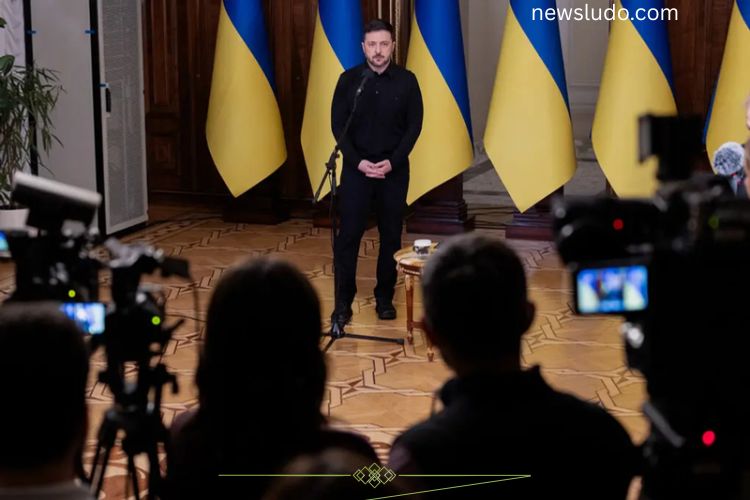
For weeks, Ukraine faced a political and administrative void at a crucial moment for peace talks and national stability. The country lacked an energy minister amid rolling blackouts caused by Russian attacks, no justice minister during a corruption scandal, and no presidential chief of staff to manage negotiations with the United States.
Now, President Volodymyr Zelensky has launched a significant reshuffle, appointing new officials to some of the most consequential positions of the ongoing conflict. The moves signal that Ukraine’s wartime unity, which allowed Zelensky to consolidate power, is giving way to a more responsive political landscape nearly four years into Russia’s invasion. How Zelensky navigates this transitional period could define the country’s political and military trajectory.
Read More: UK Launches Urgent, Independent Probe into Alarming Foreign Interference in Politics
Strategic Appointments Amidst Crisis
On Friday, Zelensky appointed Kyrylo Budanov, the head of Ukraine’s military intelligence, as his new chief of staff. The following day, he announced plans to replace the defense minister and suggested moving the current defense minister to the energy ministry. Additional changes in both government and military leadership are expected in the coming weeks.
Analysts warn that delays in filling these posts risked turning temporary vacancies into long-term dysfunction. Zelensky’s cautious pace, they say, reflects the political fallout from a corruption scandal that touched his inner circle and affected his standing.
A Shifting Political Landscape
Zelensky’s long-standing dominance, marked by minimal opposition and a top-down governing style, is now giving way to opportunities for other political actors. Members of Parliament, who had previously operated on the sidelines, are beginning to assert influence. Yet, uncertainty has made some hesitant to accept ministerial roles.
David Arakhamia, head of Zelensky’s parliamentary faction, humorously captured the situation in December: “We are looking for an energy minister. Raise your hands. Who wants to try?”
The hesitancy reflects broader concerns. Accelerating peace talks and plans for postwar elections have left potential candidates wary of short-lived ministerial positions. Rumors of further revelations from the corruption inquiry have also fueled caution among lawmakers.
Budanov’s Appointment: Political and Strategic Implications
Kyrylo Budanov is a highly popular figure, celebrated for his daring operations against Russia. Once viewed as a potential presidential rival, his appointment is seen by some as Zelensky curbing a potential competitor, while others interpret it as grooming a successor.
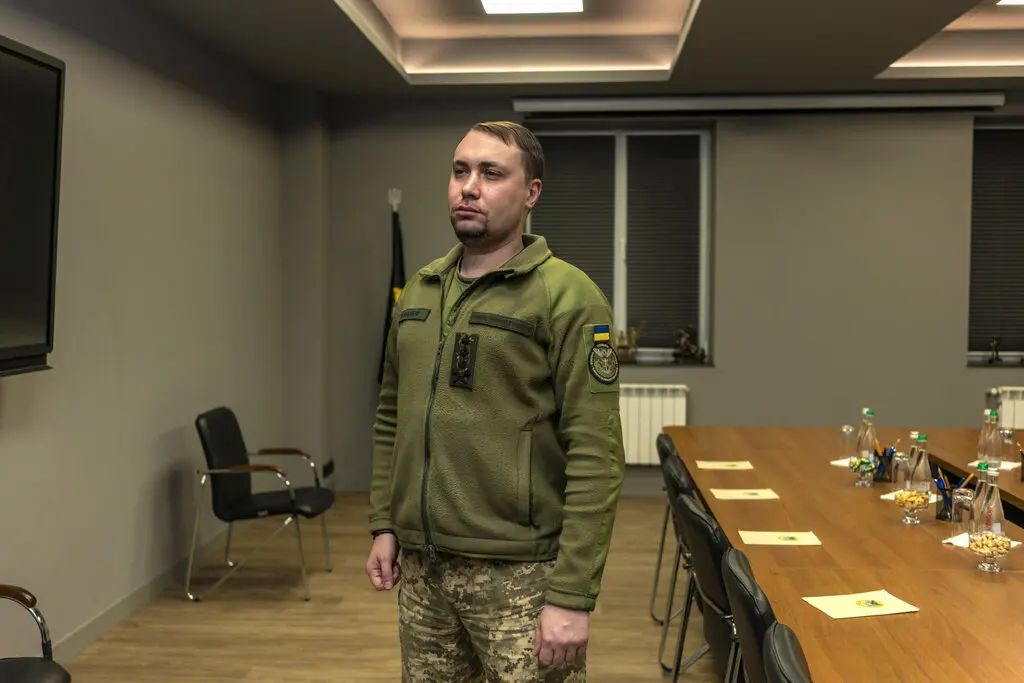
Budanov’s experience and strong ties with the United States, developed through a CIA-backed training program, could strengthen Ukraine’s position in international peace negotiations. His dual role signals Zelensky’s intent to balance domestic political control with strategic military diplomacy.
Cabinet Reshuffle: Key Figures
Zelensky has also tapped Mykhailo Fedorov, vice prime minister and minister of digital transformation, to become defense minister. Fedorov, a trusted aide since Zelensky’s 2019 campaign, is expected to ensure continuity in the president’s defense strategy. The former defense minister, Denys Shmyhal, has been proposed for the energy ministry.
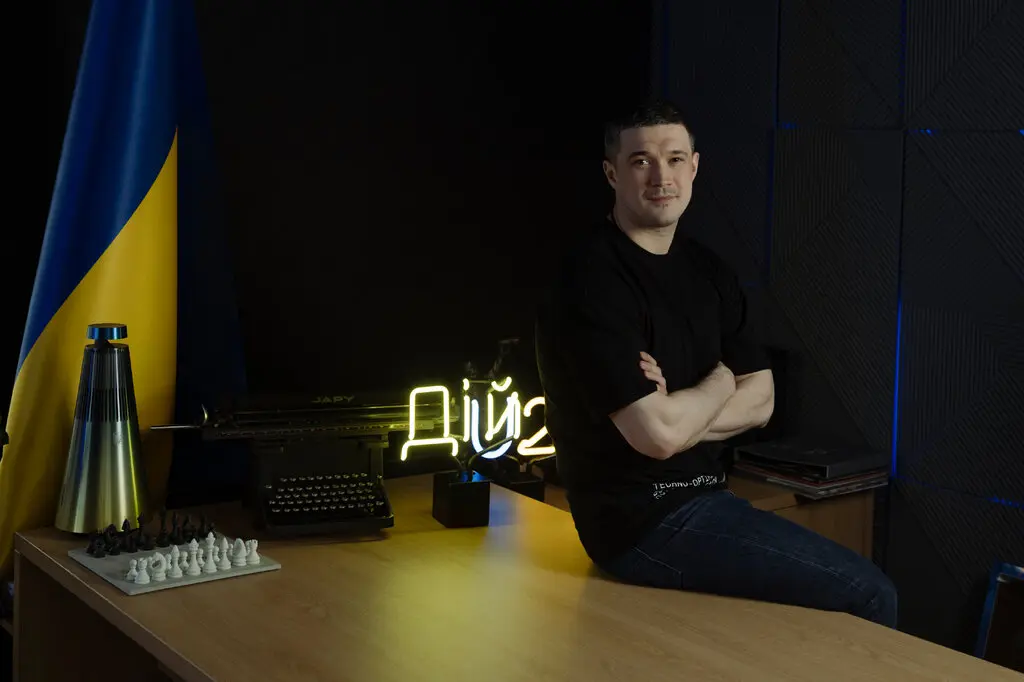
Balazs Jarabik, a former EU diplomat, observed that Zelensky’s moves aim to manage the war’s endgame on three fronts simultaneously: defense, diplomacy, and internal political stability. The reshuffle reflects the government’s effort to maintain control while navigating domestic and international pressures.
Corruption Scandal and Governance Challenges
The recent government vacancies stem from a corruption scandal exposed in November. Anti-corruption agencies revealed that officials siphoned roughly $100 million through kickbacks in the state-owned nuclear power sector. Zelensky’s chief of staff, Andriy Yermak, along with the energy and justice ministers, resigned under pressure, although none have faced formal charges.
Filling the energy minister role proved particularly challenging. Daily Russian attacks on Ukraine’s power grid underscored the urgency, but the post carried immense responsibility and potential reputational risks. Political analyst Volodymyr Fesenko noted that every potential candidate declined due to the high stakes and historical corruption within the ministry.
Among those who refused were Serhii Koretskyi, head of Ukraine’s state-owned gas company, and Andriy Gerus, head of Parliament’s energy committee. Both had successfully managed energy challenges under constant attacks but remained cautious about taking on a vulnerable ministerial role.
Political Timing and Election Uncertainty
Ukraine has not held presidential or parliamentary elections since 2019. Martial law, imposed after Russia’s 2022 invasion, prohibits elections during the war. Should peace be achieved, elections are expected to follow promptly, adding uncertainty to ministerial appointments.
Zelensky acknowledged the difficulty of securing parliamentary candidates, stating, “I have waited quite a long time for proposals from parliamentarians.” The approval process for appointments, once a mere formality due to Zelensky’s majority, may now prove more complex as trust erodes among lawmakers.
Parliament’s Evolving Role
In recent years, Zelensky treated Parliament largely as a rubber-stamp institution. However, recent scandals, including allegations of cash-for-votes among his own party members, have eroded loyalty. While some officials still adhere to the party line, public protests have forced reversals on controversial votes, signaling a shift in parliamentary assertiveness.
Lawmakers now play a more active role in political appointments. As Oleksandr Merezhko, head of the foreign affairs committee, noted: “It’s no longer rubber-stamping.” This evolution suggests that Zelensky must balance his executive authority with growing parliamentary influence to ensure stability.
Balancing War, Politics, and Peace
Zelensky’s reshuffle highlights the challenges of governing a nation under siege. Filling critical positions is not merely administrative but a strategic necessity for managing military operations, peace negotiations, and internal political cohesion. Each appointment carries implications for Ukraine’s capacity to respond to Russian aggression, navigate international diplomacy, and prepare for postwar governance.
The president’s careful calibration reflects the broader stakes: maintaining unity during a war, restoring confidence in government institutions, and preparing the nation for elections while preventing political rivalries from destabilizing the state.
Frequently Asked Questions:
Why is Ukrainian politics considered to be “igniting” again?
After years of wartime governance under President Zelensky, political activity is resurging due to recent cabinet vacancies, corruption scandals, and preparations for postwar elections. This renewed political activity is reshaping power dynamics in Kyiv.
What are the key positions Zelensky is reshuffling?
The major positions include the presidential chief of staff, defense minister, and energy minister. These roles are critical for managing military strategy, peace negotiations, and national infrastructure amid ongoing Russian aggression.
Who is Kyrylo Budanov, and why is his appointment significant?
Kyrylo Budanov, head of Ukraine’s military intelligence, was appointed as Zelensky’s new chief of staff. A popular military figure with strong U.S. ties, his appointment strengthens both domestic political control and Ukraine’s international negotiating position.
How does the corruption scandal affect Zelensky’s government?
The scandal, involving kickbacks in the state-owned nuclear power company, led to the resignation of top officials and weakened trust in governance. It also made it difficult to fill ministerial positions, especially the energy ministry.
Why is the energy minister role so challenging to fill?
The energy minister must manage a power grid constantly targeted by Russian attacks while restoring public confidence in a historically corrupt ministry. Potential candidates have declined due to the role’s high stakes and reputational risks.
How does the parliamentary role in appointments affect Zelensky’s reshuffle?
Parliament, which previously acted as a rubber-stamp, now exercises more influence due to recent scandals and growing political assertiveness. Zelensky must navigate this evolving dynamic to secure approval for his appointments.
How might these changes influence Ukraine’s war and peace efforts?
Filling key leadership roles ensures continuity in military strategy, strengthens Ukraine’s negotiating position internationally, and stabilizes domestic politics, all of which are crucial for managing the ongoing conflict and planning for postwar governance.
Conclusion
Ukraine stands at a critical political and strategic crossroads. President Zelensky’s recent cabinet reshuffle reflects the delicate balance between maintaining wartime authority, managing corruption fallout, and preparing for the nation’s postwar future. By appointing trusted allies and key military figures, Zelensky aims to stabilize governance, strengthen international relations, and guide the country through ongoing conflict and looming elections. The decisions made during this transitional period will have far-reaching consequences—not only for Ukraine’s domestic political landscape.