Projectors have transformed the way we view content, bringing images, videos, and presentations to life on a large screen. From classrooms and offices to home theaters and cinemas, projectors allow multiple people to enjoy content simultaneously. In essence, a projector takes a small image or video and magnifies it so everyone can see it clearly. This guide will walk you through the history, types, components, uses, and advantages of projectors, helping you choose the right one for your needs.
Read More: https://newsludo.com/keyboard-vs-mouse-uncover-the-key-differences/
What Is a Projector?
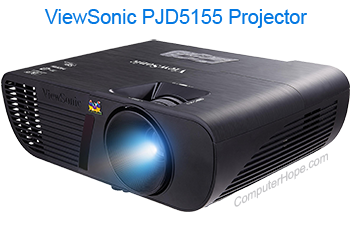
A projector is an electronic device that projects visual content onto a screen or wall using light and lenses. It connects to computers, smartphones, media players, and other devices to display images or videos. By converting digital signals into large visuals, projectors enable audiences to experience content collectively. Whether used for teaching, business presentations, home entertainment, or cinema experiences, projectors remain an essential tool for clear, large-format viewing.
The Fascinating History of Projectors
Projectors have evolved tremendously over centuries. Initially, people needed a way to share stories, images, and moving visuals with larger audiences, leading to the invention of various projection technologies.
Early History and the Magic Lantern
In 1420, Johannes de Fontana sketched a simple lantern capable of projecting images. This early concept laid the foundation for the Magic Lantern, invented in the 17th century. Using a lamp and glass slides, the Magic Lantern projected images onto walls, captivating audiences and creating the first real projection experience.
Motion Pictures and Overhead Projectors
In 1853, French scientist Edmond Becquerel developed the first overhead projector, which became widely used in classrooms and offices. Around the same time, Eadweard Muybridge created the Zoopraxiscope, an early device for projecting moving pictures. This invention set the stage for modern cinema projectors and the visual storytelling we enjoy today.
The Digital Era
The 1930s saw the emergence of CRT projectors, which used cathode-ray tube technology to display images. By the 1970s, digital projectors began to appear, transforming the projection landscape. In the 1990s, digital projectors became common in schools, businesses, and homes, offering brighter, clearer visuals and easier integration with computers and media devices.
Modern Innovations
Today’s projectors are smarter, more portable, and user-friendly. Laser projectors deliver vibrant, bright images, while short-throw projectors can produce large visuals from small distances. Many modern models support wireless connectivity, high-definition content, and even ultra-portable designs for on-the-go use.
Types of Projectors

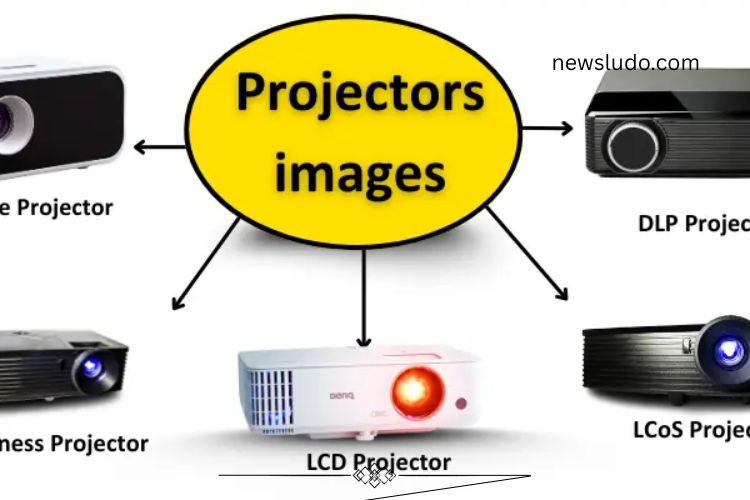
Projectors come in various types, each designed for specific uses and environments. Understanding the different types helps in selecting the best option for your needs.
- Portable Projectors: Lightweight and compact, ideal for travel, presentations, and casual movie nights.
- Business Projectors: Provide bright and clear visuals for meetings, presentations, and training sessions.
- Home Theater Projectors: Deliver a cinema-like experience at home, with large screens and high-quality visuals.
- Short-Throw Projectors: Project large images from a short distance, perfect for small rooms.
- LCD Projectors: Use liquid crystal panels for bright, clear images, suitable for classrooms and offices.
- LED Projectors: Energy-efficient and long-lasting, using LED lights instead of traditional lamps.
- Laser Projectors: Offer vivid, high-contrast visuals for large rooms or auditoriums.
- DLP Projectors: Use tiny mirrors to produce sharp, precise images.
- 4K Projectors: Provide ultra-high-definition visuals for movies, games, and professional use.
- LCoS Projectors: Combine Liquid Crystal on Silicon technology for smooth, realistic images.
- CRT Projectors: Older technology using cathode-ray tubes, now largely replaced by digital options.
- Gaming Projectors: Optimized for fast, clear motion in video games.
- Projector TVs: Function as both a TV and a projector for flexible, large-screen viewing.
Key Parts of a Projector
A projector’s performance depends on its components. Each part plays a crucial role in delivering clear, vibrant images.
- Lens: Focuses the image onto the screen.
- Lamp or Light Source: Provides the brightness needed for projection.
- Color Wheel: Enhances colors and image quality.
- Cooling Fan: Prevents overheating during extended use.
- Power Supply: Supplies electricity to the projector.
- Control Buttons: Enable users to operate and adjust settings.
- Ports/Connectors: Allow connection to computers, media players, or other devices.
- Projector Body: Protects internal components and supports portability.
Uses of Projectors
Projectors serve a wide range of purposes, making them versatile tools in various settings:
- Education: Teachers use projectors to display lessons, videos, and interactive content in classrooms.
- Business: Professionals rely on projectors for presentations, training sessions, and meetings.
- Home Entertainment: Families enjoy movies, games, and streaming shows on big screens.
- Cinemas: Projectors deliver immersive movie experiences on massive screens.
- Events: Projectors enhance conferences, weddings, exhibitions, and other gatherings with large visuals.
Advantages of Projectors
Projectors offer unique benefits that make them valuable for both personal and professional use:
- Display large images visible to many viewers.
- Portable and easy to transport (depending on the model).
- Enhance movies, gaming, presentations, and educational content.
- Modern projectors produce bright, crisp, and high-quality visuals.
- Compatible with computers, phones, media players, and streaming devices.
Disadvantages of Projectors
- Despite their advantages, projectors have some limitations:
- Require a dark or controlled-light environment for best performance.
- High-quality models can be expensive.
- Need regular maintenance, including lamp and filter replacement.
- Small spaces may reduce image clarity.
- Some projectors can be noisy due to built-in fans.
Choosing the Right Projector
Selecting the right projector depends on your specific needs. Consider the following factors:
- Purpose: Will you use it for movies, gaming, presentations, or classrooms?
- Room Size: Measure the distance and screen size for optimal projection.
- Resolution: Higher resolutions (like 1080p or 4K) provide sharper, clearer images.
- Light Source: LED, laser, and LCD projectors have different brightness levels and lifespans.
- Portability: Lightweight models are ideal for travel or temporary setups.
- Connectivity: Ensure it supports HDMI, USB, Wi-Fi, or Bluetooth if needed.
Frequently Asked Questions:
What is a projector and how does it work?
A projector is a device that enlarges images or videos onto a screen or wall using light and lenses. It connects to computers, smartphones, or media players to display content for multiple viewers at once.
What are the different types of projectors?
Projectors come in various types, including portable, home theater, short-throw, LCD, LED, laser, DLP, 4K, gaming, and projector TVs. Each type serves a specific purpose depending on the environment and content.
How do I choose the right projector for my needs?
Consider the purpose, room size, brightness, resolution, connectivity options, and portability. For home theaters, a high-resolution 4K projector works best, while portable projectors suit travel or presentations.
Can projectors be used in bright rooms?
Some high-lumen projectors, especially laser or high-end DLP models, can work in moderately bright rooms. However, projectors generally perform best in dimly lit or controlled-light environments.
Are projectors suitable for gaming?
Yes! Gaming projectors are designed for fast refresh rates and low input lag, providing clear, smooth visuals for immersive gameplay.
How long do projector lamps or light sources last?
The lifespan depends on the type: LED and laser projectors can last 20,000–30,000 hours, while traditional lamp-based projectors last 2,000–5,000 hours and require occasional replacement.
What are the main advantages of using a projector?
Projectors provide large, clear visuals for multiple viewers, are portable (for some models), and enhance movies, presentations, gaming, and classroom experiences.
Conclusion
Projectors have evolved from simple lanterns to advanced, high-definition devices that bring visuals to life in homes, classrooms, offices, and cinemas. Whether you’re watching movies, giving a presentation, or hosting an event, the right projector enhances every experience by delivering bright, clear, and immersive images. Understanding the types, features, and uses of projectors ensures you make an informed choice that fits your needs and space. With modern innovations like portable, short-throw, laser, and 4K projectors, anyone can enjoy big-screen visuals anytime, anywhere. Embrace the power of projectors and transform the way you see, share, and enjoy content.