

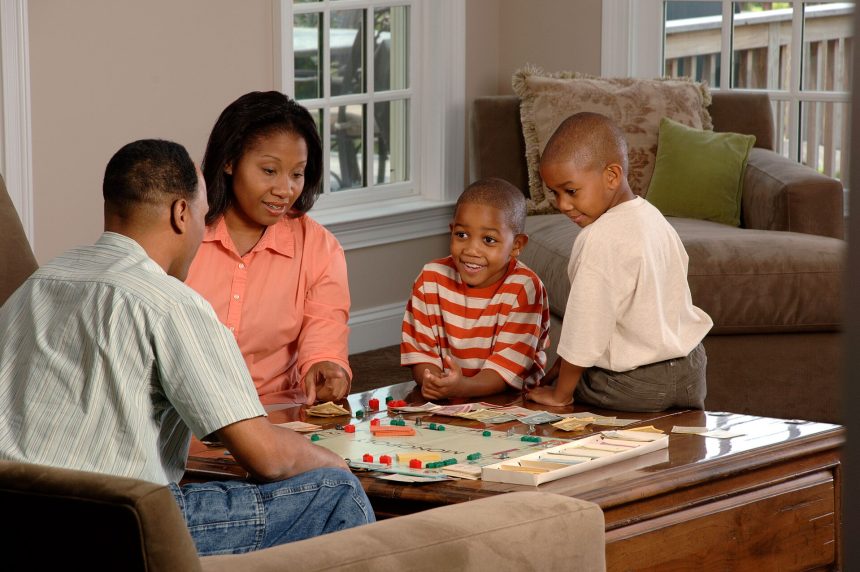
It is the most counterintuitive success story in entertainment: while the world’s attention supposedly migrated to phones, board games entered a golden age. Global sales have climbed for over a decade, thousands of new titles launch every year, board game cafés operate in most major cities, and the industry’s flagship convention in Essen, Germany, draws crowds that fill exhibition halls to capacity. The analogue hobby did not survive the digital era; it fed on it.
The modern wave began with design. Games like Catan and Carcassonne imported a European design philosophy — short turns, no player elimination, interaction without direct conflict — that made games welcoming to non-gamers. Then came the long tail of innovation: cooperative games where players win or lose together, legacy games that change permanently as you play, solo modes for the many adults whose gaming group is a memory. Crowdfunding let designers bypass cautious publishers and speak directly to fans, collapsing the distance between a prototype and a production run.
Why Screens Helped
The paradox resolves when you watch how the hobby actually spreads. YouTube reviewers teach rules better than rulebooks ever did; online communities organise the local groups; digital versions serve as gateways to cardboard ones. And the core product — structured face-to-face socialising — is precisely what screen life lacks. A board game is a machine for giving a group of adults something to do together that is neither eating nor drinking, with conversation built into its rules. As our culture coverage often notes, that is a scarcer commodity than entertainment itself.
The demographics have changed the design brief. Adult players with money and limited time dominate sales, which is why the sweet spot is a ninety-minute game with depth, beautiful components and a teachable first turn — and why classic mass-market titles have been joined by lavish productions costing as much as a video game console title several times over.
The Business of Cardboard
Retail has adapted: game stores now function as community venues with event nights and libraries, and cafés charge cover by the table. Publishers consolidate — the industry’s biggest groups keep acquiring beloved independent studios, to fans’ mixed feelings — while print-on-demand and small-batch production let micro-designers reach viable audiences. Industry reporting in outlets like The Guardian has tracked the market’s resilience through the cost-of-living squeeze: an evening’s entertainment for a group, amortised over dozens of plays, is cheap precisely when money is tight.
The hobby’s memory is long, and it remembers being dead before: video games were supposed to kill board games in the eighties, television in the fifties. Each time, the survivors were the games that did what the new medium could not. What digital media cannot do is put four friends around one table with a shared physical puzzle and nowhere else to be. Publishers have learned to design exactly for that irreplaceable core — the table talk, the bluff, the groan when the dice betray you — rather than competing on spectacle they will always lose. It is a useful lesson for any analogue industry wondering how to live alongside the infinite feed.
There is a generational handover under way as well. The children raised on modern family games are now the adults buying design-led titles for their own tables, and publishers court them with games that respect a school-night schedule. The hobby’s centre of gravity keeps moving from the specialist shop to the kitchen table — which is where, its historians note, it began.
The Bottom Line
Board games’ renaissance is really a story about what digital abundance makes valuable: presence, tactility and rules that make strangers into a group. The cardboard is almost incidental. That insight — play as social technology — also explains the parallel boom in playful learning, examined in our evidence check on gamified language learning.